85 in · 3 seater · deep seat · tufted back and arm · wood frame
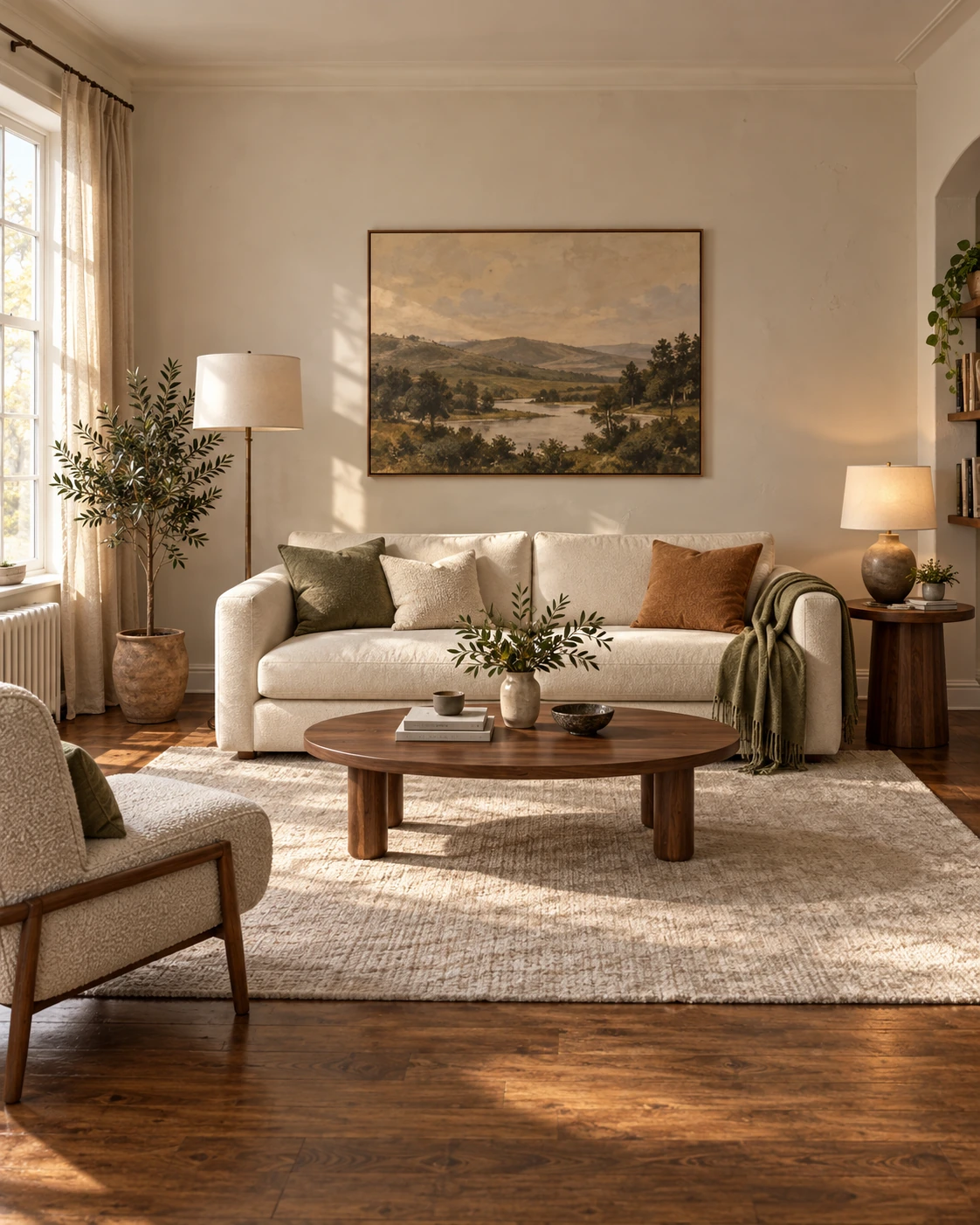
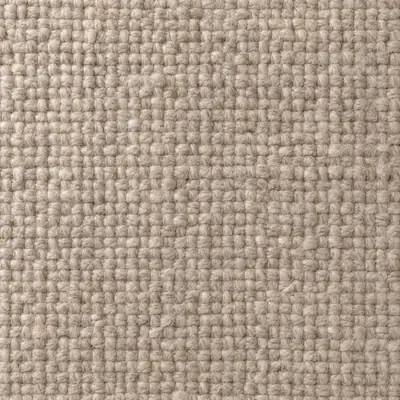
Everything here is placed around this one object, even though the rug goes down first. 85 in seats three without a waiting-room gap; a deep seat is the part people skip and regret, since shallow means you cannot lie on it. Cream boucle disappears into a pale wall instead of sitting in front of it.
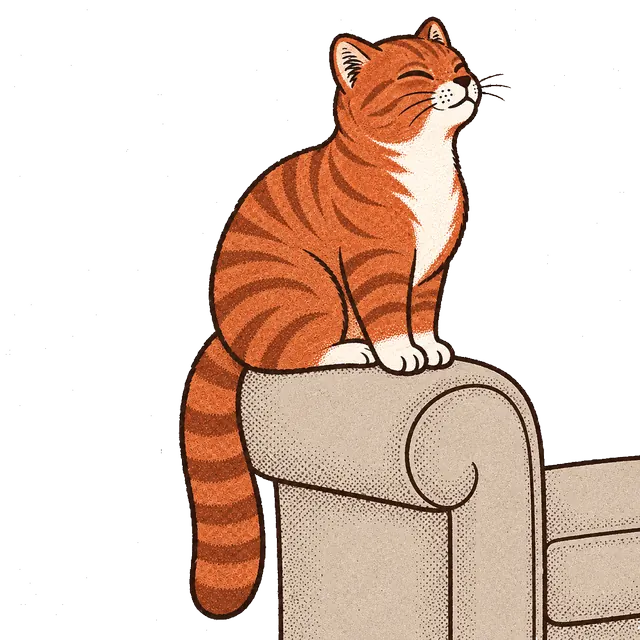
The catchBoucle and a clawed cat are a bad pairing. Measure the stairwell and door before ordering this size; under 11 ft, take the loveseat and put the difference into the rug.
Two of the same olive, not one: a single green pillow reads as a leftover, a matched pair at opposite ends reads as a decision. 20 in suits a sofa this deep, smaller vanishes into the seat back, and linen creases in a way that reads as lived in.
The catchCovers only, and inserts cost about as much again; buy them 1 to 2 in bigger or the corners go flat. Own two neutral pillows already? Put the money into the rug instead.
One warm pillow against two cool ones stops the arrangement looking mirrored. Terracotta sits opposite olive on the color wheel, so neither wins, and the wood agrees with both. Put the set’s second cover elsewhere rather than doubling up here.
The catchChenille sheds a little in the first wash and picks up pet hair like a magnet. Cotton or linen in the same color does the job with less upkeep, and a room heavy on warm wood may need none at all.
LONG CREATE knitted throw with fringe, olive green
50 × 60 in · textured knit · fringe tassels
Repeating olive a second time turns a color into a plan. 50 by 60 is a real blanket for one adult, earning its place on evenings nobody photographs. Drape it down the arm rather than folding it flat, or it reads as laundry not put away.
The catchFringe and a vacuum are enemies, fringe and a kitten worse. Two people under this one is optimistic; buy a 60 by 80 instead for a two-person sofa.
One big landscape does more for a rented wall than six small frames and takes one hanging strip instead of eleven. Leave 6 to 8 in above the sofa back and let the sofa set the height, so the two read as one block, not a picture floating over furniture.
The catchArt wants to be two thirds to three quarters of the sofa width: over an 85 in sofa that is 57 to 64 in, and one 36 in frame is not that. Hang a second one 2 to 3 in away, or move this one over the side table. The spacing, drawn out →
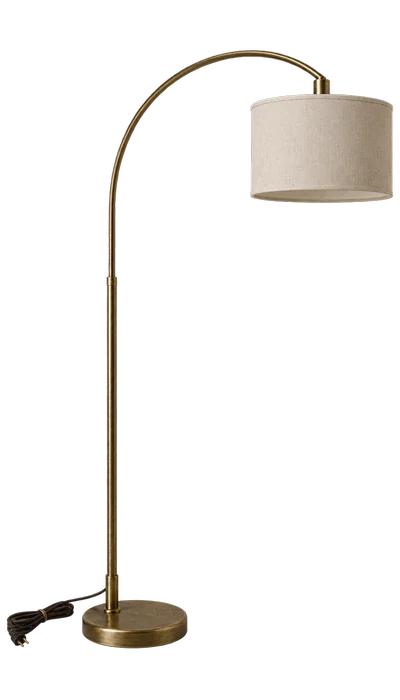
60 to 64 in · fabric drum shade · plugs into a wall outlet
The room’s second light source, the one that needs no landlord. A tall shade at head height throws light up the wall and back down, so a ceiling fixture stops flattening every face. Stand it opposite the table lamp and the three sources are done.
The catchThe switch is a rotary knob on the socket, under the shade, not a pedal on the cord. You reach up for it every night, which is fine once you know and annoying if you expected your foot to do the work. How tall your lamp should be →
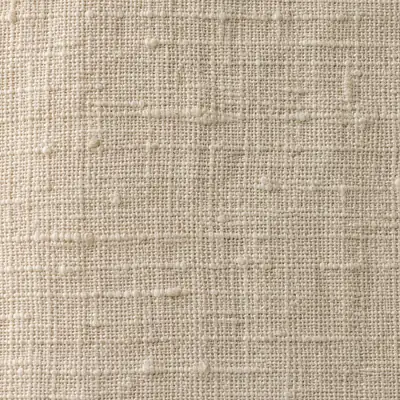
Rented windows are almost always hung wrong, and the fix costs nothing but length. Hang the rod as close to the ceiling as the bracket allows, never less than 4 to 6 in above the frame, run brackets 4 to 10 in past it each side, and buy panels reaching the floor from there: why these are 96 in, not 84.
The catchTwo 42 in panels gather well to about 40 in wide, thin beyond it, so buy four on a big window. A no drill bracket works if the lease forbids holes, but loses the height trick. Where the rod goes →
6 ft · 1,176 silk leaves · planter included · bendable branches
Every room here keeps one tall green thing in a corner nothing else can use. Six feet reads as furniture rather than a houseplant and fills the empty band between the sofa top and ceiling, the gap that makes a room look unfinished even with ten correct objects in it.
The catchWith a bright window, buy a real olive or ficus instead: it costs less and grows. Fake is the answer for a dark corner only, and the branches need bending out of their shipping shape or it looks exactly like what it is.
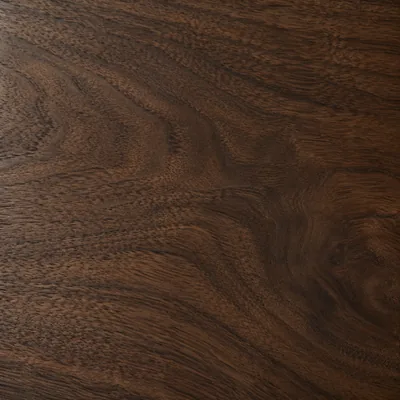
Textured ceramic table lamp, and the round walnut table under it
Beige ceramic base, linen shade · table 15.7 in across, 19.7 in tall
One dot, one decision: a lamp needs something to stand on, and a small round top beside a square arm keeps the corner from getting bulky. Aim for the shade bottom near 40 in, just below your eyes when you sit, table within 2 in of the arm so a mug lands where your hand already is.
The catchMeasure the sofa arm first. This table is 19.7 in, right beside a low seat, short beside a deep tufted one like this; above 22 in, use a taller table you already own.
Round walnut coffee table, and the vase standing on it
36 in round, light walnut, 2 tier · 10 in ceramic vase with branches
Round, about two thirds the sofa length, so 36 in here. No corner at shin height means 30 in of clearance instead of 36, seating three around it instead of two in front. Keep the top within 1 to 2 in of the cushion, 14 to 18 in from the sofa. Branches beat flowers: no dying Thursday.
The catchThe photographed table is solid walnut on column legs, costing more than the sofa; this one is veneer over a shelf, either storage or where remotes go to die. The vase comes with its own arrangement, for better or worse. Round against rectangular, drawn →
8 × 10 ft · hand woven jute · flat weave · natural
This goes down before the sofa, because it decides where the sofa may sit. 8 by 10 takes an 85 in sofa with every front leg on it and 6 to 12 in to spare each side, so the seating reads as one group, not three things near a wall. Jute is also the cheapest texture here and the easiest to sit anything against.
The catchJute sheds grit for a month, scratches bare legs, and cannot go in a machine: wrong for a toddler or a wet dog. Under 11 ft of room width, 8 by 10 leaves no floor border at all. Type your room and get the size →
Beige fabric · solid wood frame and legs · easy assembly
A sofa alone points everyone at the same wall. One chair turned toward it at an angle makes the room a place where two people talk, the cheapest object here that changes how it gets used. An exposed frame keeps it visually light beside an already heavy sofa.
The catchKeep 36 in of walkway past it, 24 if squeezing, or it becomes the thing everyone edges around. A firm frame seat is a twenty minute chair, not a nap chair: buy upholstered if this is where you plan to fall asleep.
Buy just two things here: the rug and one lamp. The rug decides where everything else may stand, and a second light source is the cheapest way to stop a ceiling fixture flattening the room at seven in the evening. Get the rug size for your actual floor first →
Got your list?
Tick the pieces you still need
Keep what already works in your room. Everything you tick goes to your Amazon cart in one tap.
Amazon shows you the cart first; nothing is bought until you check out there. As an Amazon Associate I earn from qualifying purchases.
What this room gets right
Four decisions, and the number behind each one
A shopping list cannot do this part. Twelve correct objects in the wrong places still feels off, and each of these four was settled before anything was bought.
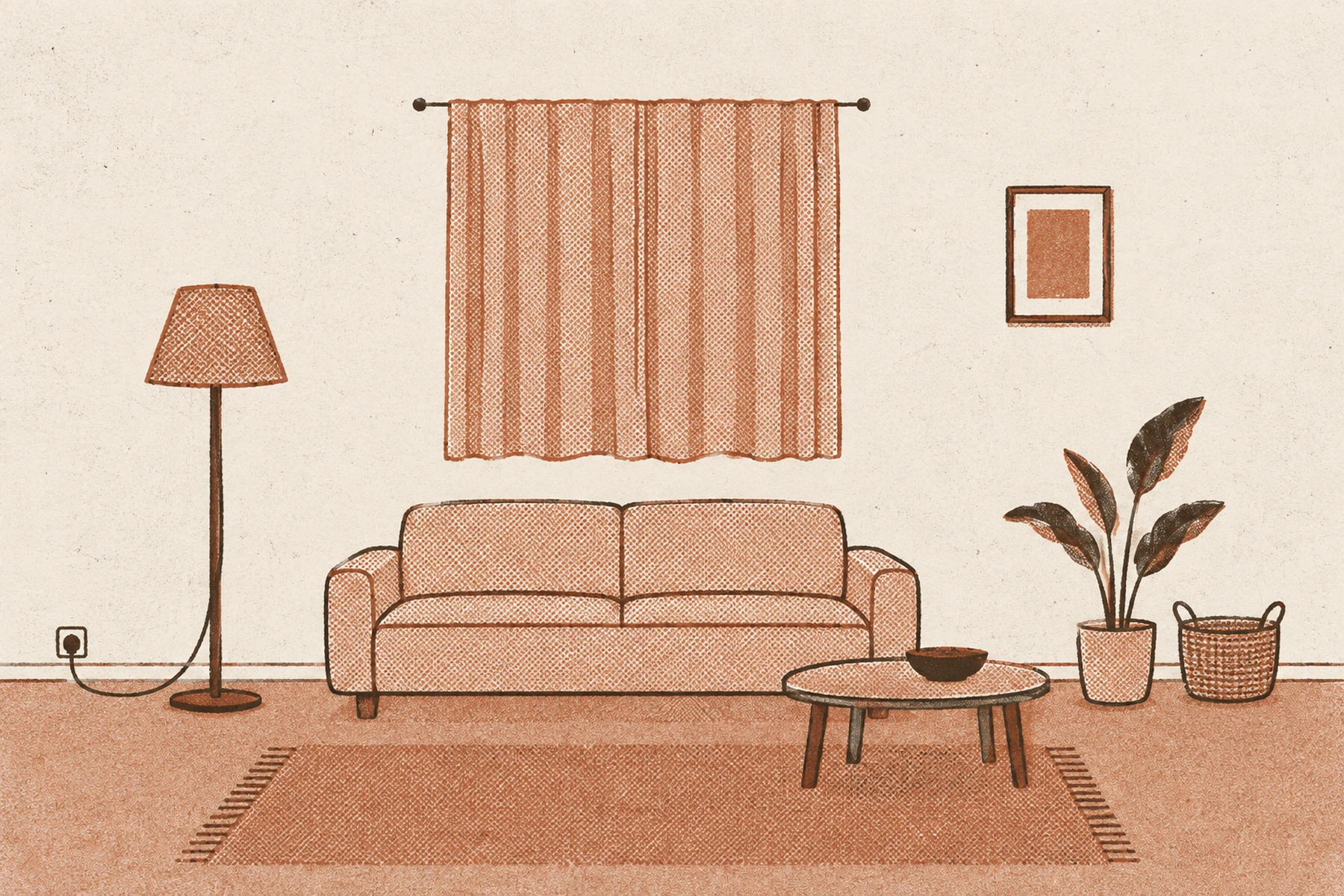
One plan. The four numbers below are all distances on it.
01The rug
The floor was decided before the furniture
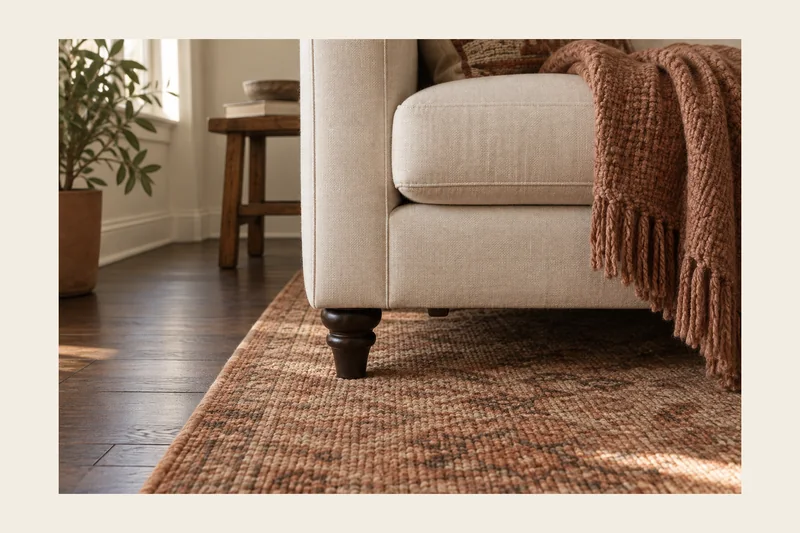
Every front leg of the sofa is on the rug, which runs past it on both sides. That only happens when the rug goes down first; buy the sofa first and you end up with a rug that fits what is already there.
Where the rug and sofa meet: the leg stands well inside the field, not balanced on the edge.
The table is round and about two thirds the sofa length, the same proportion a rectangle would want. The difference is the walkway: no corner at shin height lets the clear path drop from 36 in to 30, and in a narrow room that half foot decides whether two people can pass each other.
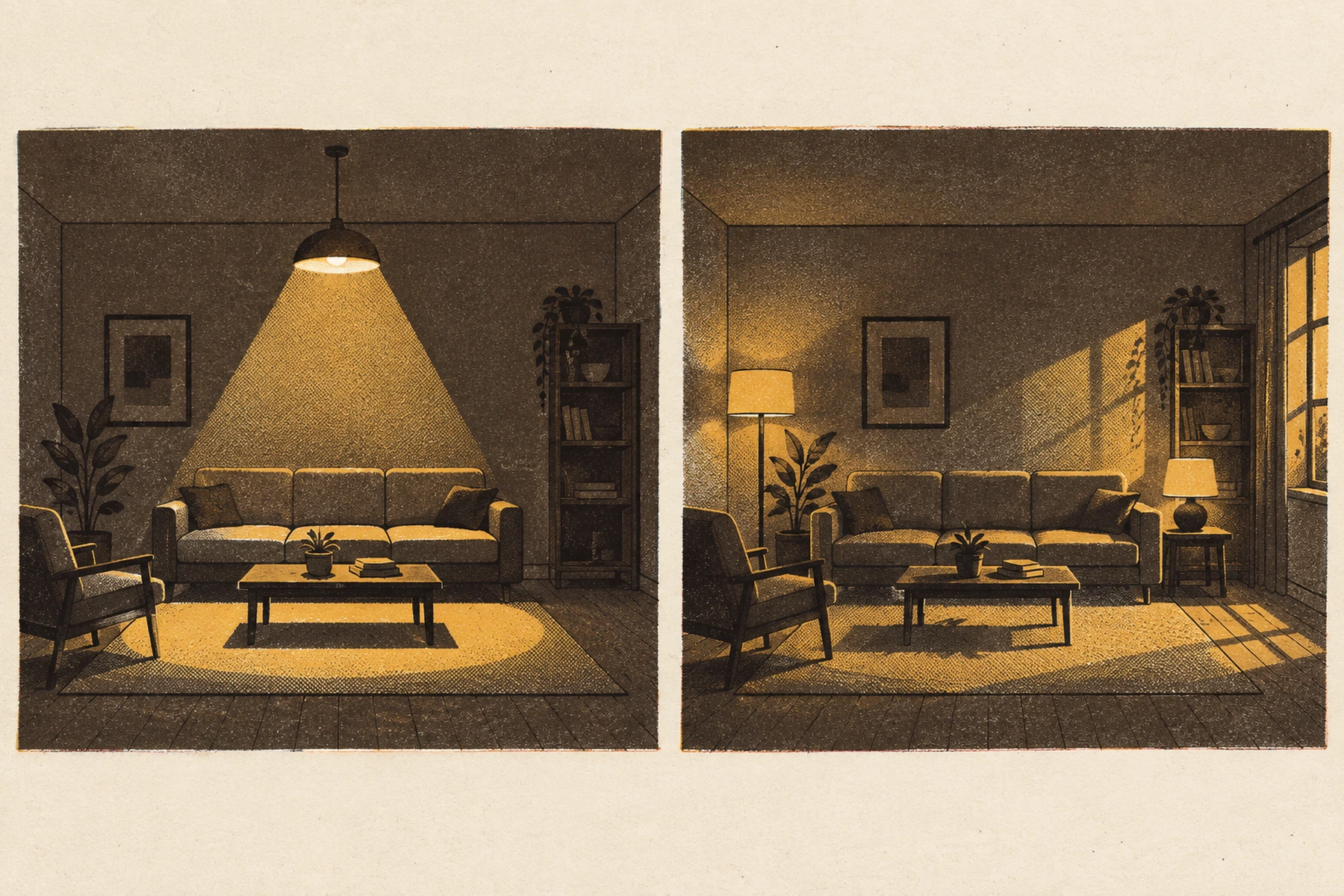
Floor lamp, table lamp, window. One overhead light flattens every face and texture under it; three sources at three heights is the difference between a room that photographs well and one you want to sit in at nine at night.
Keep 6 to 8 in between the frame and the sofa back and the two become one object. In a room you look at sitting down, that puts the center lower than 57, around 50 to 54 in, and that is right. The instinct in a rental is to hang art high to fill the wall, and it reads as a picture that escaped.
Decision three, drawn. Left, the one fitting. Right, the three sources.
the ceiling one was never for me
Boucle, up close
In a rental
Why this room survives a lease you did not write
Two dots and a frame. Everything else in the drawing is standing on the floor.
Nothing is boltedTwelve objects and one hole in a wall.The picture is the only thing here that touches a wall, held by strips instead of a screw. Everything else stands on the floor, so the whole room can be photographed, packed and rebuilt elsewhere with no conversation about the deposit.
The light plugs inBoth lamps run off an outlet you already have.No electrician, no ceiling fitting, no landlord. Run the cord along the baseboard, clipped down every foot, and never under the rug: it wears through exactly where the traffic is. The plug-in lighting project →
the floor’s business, not yours
It all leaves with youFive of the twelve fit in a bag.Covers, throw, vase, branches, the picture. The rug rolls. None of it is an improvement to the apartment, so all of it comes with you to the next one, which is the best argument I know for spending money on a room somebody else owns.
Curtains, up close
Build it for less
The same room, with the expensive half taken out
The sofa, the rug and the tree are most of the money up there. Here is what each one does, and the cheapest thing that does the same job. Two of these rows ask you to buy nothing at all.
Instead of01 The sofa
The sofa you already own, moved off the wall
Pull it forward four inches and put a lamp behind it: free, ten minutes, and it does more for how a rented living room reads than any cushion. Sound frame, tired fabric: a fitted cover costs a fraction of a new sofa and no visitor will know.
Nothing to buy
this arm was mine first
Instead of05 The art
Make the big piece yourself
Large art is expensive because it is large, not because it is good. A stretched canvas and a tub of joint compound gets something textured at the size the wall wants, for less than a framed print a third the width, and you pick the color.
A drum shade at head height spreads soft light wide; a gooseneck buys aim instead, bending until light lands where you read. The trade: a metal head throws a tight pool, not a glow, lighting a chair rather than a room, so the far corner still needs something else.
If the sofa sits against a wall and the room is short on floor, a 5 by 8 under the front legs and the table connects the group in half the material. You give up the far border, so two people sitting opposite will not both have a rug underfoot.
The cheapest change here, felt the same evening. 2700K reads as evening, not a corridor; a rented apartment usually ships 4000K because it was cheaper at the hardware store. Four in a pack covers both lamps with spares left.
Skip it if your bulbs already say soft white or 2700K. This is 60 watt equivalent, right for two lamps, not enough alone if a lamp is your only light.
Swap all four and the room costs less than the sofa on its own, and people will still sit in it on a Tuesday night. See why 2700K and not 4000K →
Asked often
Six questions people type before they buy any of this
How do I shop a living room from a photo?
Work in the order the room gets built, not the order you fall in love: rug, then the largest seat, then light, then the soft things. Pillows first goes wrong because their size depends on the sofa depth, and sofa position depends on the rug.
What size rug goes under a sofa in a living room?
At least as wide as the sofa, better 6 to 12 in wider each side, with every front leg standing on it: for a sofa around 85 in that usually means 8 by 10 ft. A rug that stops short leaves the seating floating, the most common mistake in a rented living room.
How big should a coffee table be next to a sofa?
About two thirds the sofa length, 14 to 18 in away, within 1 to 2 in of seat cushion height. A round table follows the same rule, so an 85 in sofa wants a diameter near 36 in, and the circle cuts its walkway from 36 in to about 30.
How high should I hang art above a sofa?
6 to 8 in above the sofa back, and let the sofa set the height rather than the floor. Where you sit, a center around 50 to 54 in works better than 57. Art should also be two thirds to three quarters as wide as the furniture under it, so one 24 by 36 in frame is too small over a long sofa and wants a second one beside it.
How many lamps does a living room need?
Three light sources at three heights, and the ceiling fixture does not count: a floor lamp, a table lamp and the window here. Use 2700K bulbs in all of them for the evening, dimmable if you can, and a CRI of 90 or more if you care how faces look.
Can I decorate a rented living room without drilling?
Yes, and this room is the proof: eleven of the twelve things stand on the floor. The picture hangs on adhesive strips rated by weight, both lamps plug into an outlet you already have, and the curtain rod can go on no drill brackets that clamp to the frame.